“ What if Jesus never said faith had to be the size of a mustard seed?”
Why would God make an axe head float—but not raise a young man killed in a tragic accident?
Second Kings 6:1–7 records one of the Bible’s most unusual miracles. After a borrowed axe head falls into the Jordan River, Elisha cuts a stick, throws it into the water, and causes the iron to float.
Nothing in the passage tells us that God instructed Elisha to perform this miracle. Nothing indicates that Elisha prayed first to determine whether it was God’s will. A young man had lost something he was obligated to return—and the man of God did what only God could do.
But why would it be God’s will to recover a borrowed axe head while grieving parents are told that it was not His will to raise their son?
For most of my life, I was taught that miracles belong exclusively to the sovereign will of God. No matter how much faith we possess or how earnestly we pray and fast, only the miracles God has independently determined to perform will occur.
Then the tragic death of a young man blew away the fog in my thinking. It forced me to reconsider what I had been taught—and to take another look at one of Jesus’ most astonishing promises.
In Matthew 17:20, Jesus declared that faith like a mustard seed can move mountains and that nothing will be impossible. Yet the New American Standard Bible (1995) and other modern translations have led generations of Christians to believe that Jesus was praising faith for being tiny.
What if mustard-seed faith was never about the size of the seed?
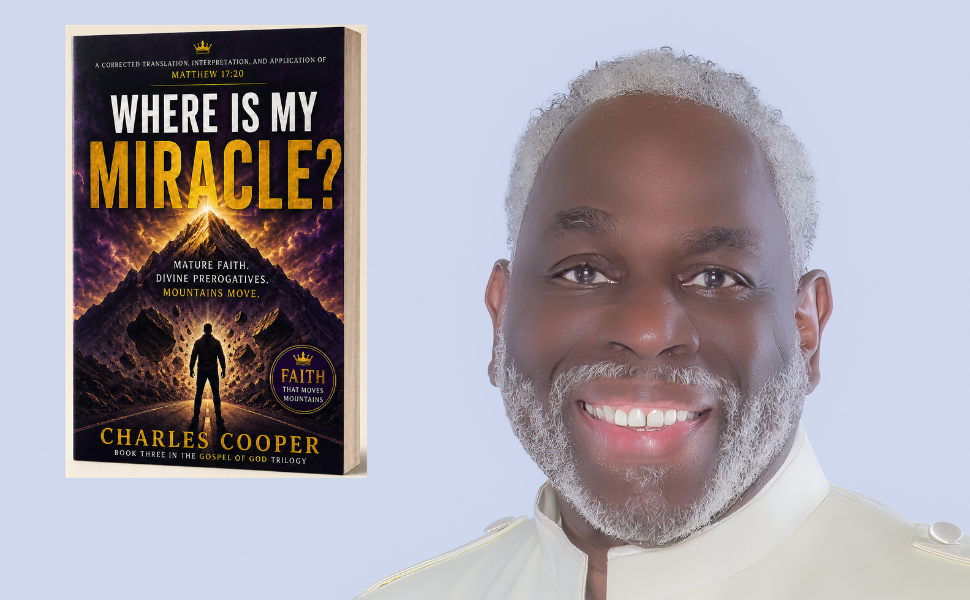
Where Is My Miracle? challenges the faulty translation, mistaken interpretation, and powerless application that have left much of the Church expecting mountains never to move. It examines the difference between immature faith and mature, living faith—the kind of faith Jesus said could confront the impossible.